National River Cleanup Movement Breaks MURI Record
Reported by Fakhrizal Fakhri | Translated by Maria Inggita
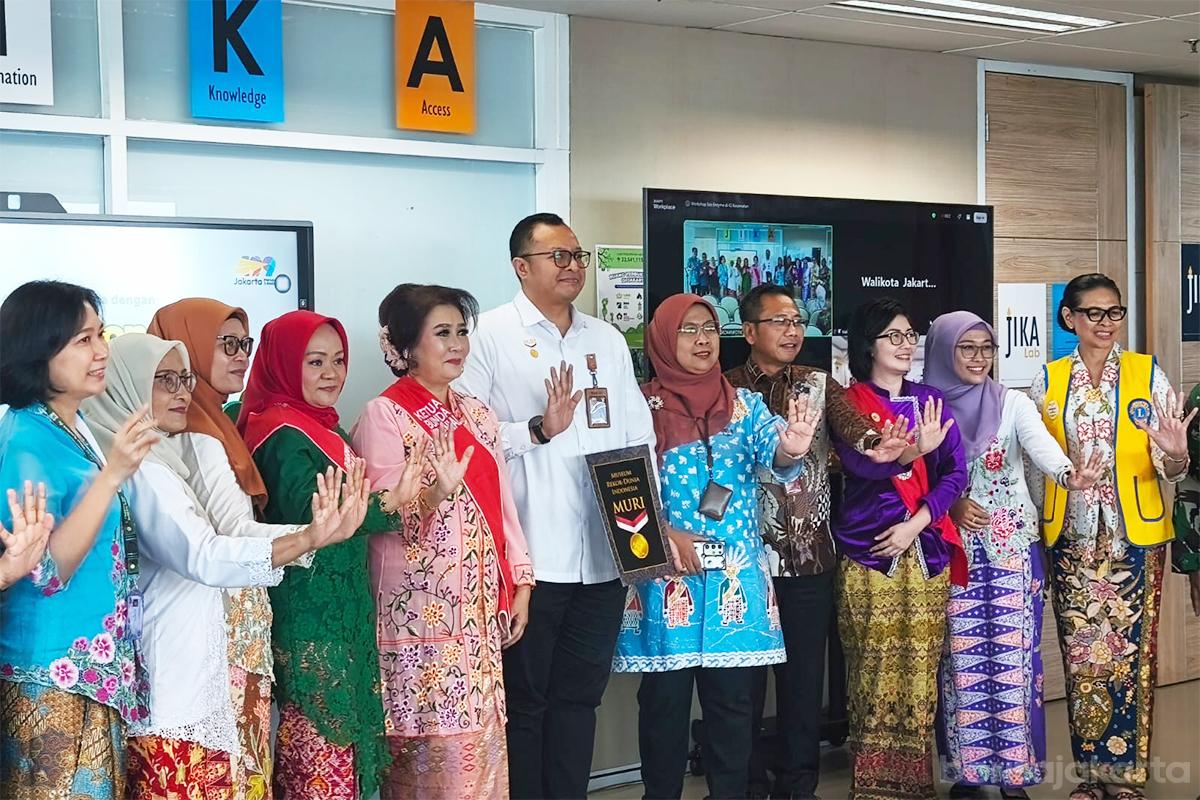
The 2026 National River Cleanup Movement, jointly organized by the Jakarta Environment Agency and the Sedulur Bunda Milenial Foundation, set a MURI record for the largest simultaneous eco enzyme-making activity by number of participants.
Reduce waste by utilizing organic waste to produce eco enzymes
Jakarta Environment Agency Deputy Head Purwanti Suryandari said the initiative is part of efforts to reduce waste by converting organic waste into eco enzymes.
E. Jakarta Converts 3.4 Tons of Organic Waste Into Compost and Maggot Feed"This is one of our efforts to reduce waste by utilizing organic waste to produce eco enzymes," she said on Thursday (6/18).
According to Purwanti, eco enzymes not only help reduce the volume of organic waste but can also contribute to improving the quality of river water and other water bodies. However, she noted that their use is more effective in calm waters, such as reservoirs, where they are less likely to be carried away by currents.
She expressed hope that the movement would continue on a sustainable basis with participation from various segments of society, ranging from students to homemakers.
Meanwhile, Sedulur Bunda Milenial Foundation Chairperson Siska Rumondor said the initiative stemmed from concern over household waste, which remains a major challenge in Jakarta.
"This movement was born from a desire to do something for the environment around us. That is why we carry the spirit of 'From Home for the Nation, From Rivers for Indonesia,'" she emphasized.
According to Siska, education is key to effective waste management, as most of the waste sent to the Bantar Gebang Integrated Waste Processing Site (TPST) originates from households and is dominated by organic waste that can still be processed into eco enzymes.
"We want to encourage people not only to sort their waste, but also to transform organic waste into something useful," she added.
MURI Operations Director Awan Rahargo said the record was awarded in the category of simultaneous eco enzyme production with the largest number of participants.
The initiative involved 42 sub-districts, 109 locations, 67 schools, and more than 6,000 participants across Jakarta's five administrative cities.
"This is the largest eco enzyme-making activity by participant count ever recorded in Indonesia and documented in MURI history," he said.